
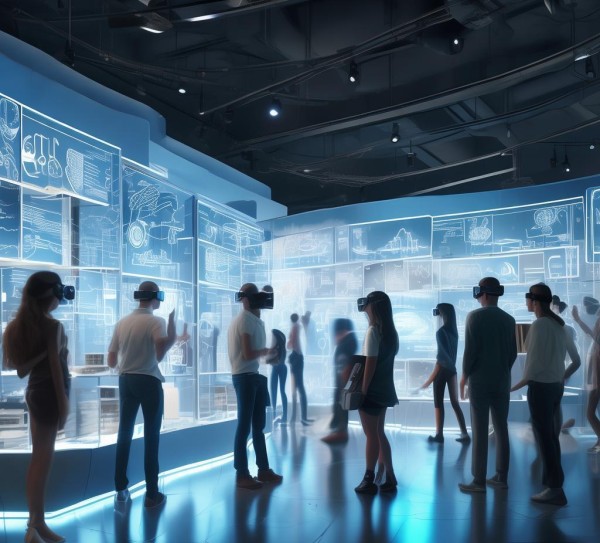
In the rapidly evolving world of modern technology, digital displays and virtual reality have become indispensable tools for creating immersive experiences. Among the most prominent examples of these innovative tools is the concept of digital shows or digital exhibitions, which have emerged as a key component of the digital economy. Digital shows have become a powerful medium for showcasing businesses, artists, and cultural institutions, offering audiences an unparalleled opportunity to engage with their content in a way that is both interactive and visually stunning.
A digital exhibition, or digital show, is a virtual platform that allows users to interact with digital content in a way that is not possible with traditional methods. This includes the ability to view videos, listen to audio, or explore interactive simulations that would otherwise be difficult or impossible to experience in person. Digital shows have become increasingly popular in recent years, with platforms like Facebook, LinkedIn, and YouTube providing numerous opportunities for businesses to showcase their products and services in a visually engaging manner.
One of the key advantages of digital shows is their ability to cater to a wide range of audiences, from casual viewers to seasoned professionals. By offering a variety of interactive features, digital shows can help to engage viewers of all ages and levels of technical proficiency. In addition, digital shows often incorporate cutting-edge technology, such as virtual reality (VR) and augmented reality (AR), which allow users to experience content in a completely immersive way.
In order to maximize the impact of digital shows, it is essential to approach them with the right mindset. One common misconception is that digital shows are only for tech-savvy individuals. In reality, digital shows can be enjoyed by anyone with an interest in exploring new ways to engage with content. Whether it's through storytelling, interactive simulations, or virtual tours, digital shows provide a unique opportunity to expand your understanding of the world and to discover new perspectives.
Another important aspect of using digital shows is the role of participant feedback. By allowing users to interact with digital content, digital shows can gather valuable insights about their audience. This information can then be used to refine the experience and make it more engaging for future visitors. For example, a digital show on a historical topic might be enhanced by adding interactive elements that allow viewers to explore different perspectives on the subject.
While digital shows offer numerous advantages, they also come with their own set of challenges. One of the biggest challenges is the technical complexity involved in creating and running digital shows. This requires a strong understanding of digital media, as well as the technical skills to develop engaging content and interactive features. Additionally, digital shows can be expensive to produce, as they often require the use of advanced software and hardware.
To overcome these challenges, it is essential to adopt a flexible and adaptable approach when creating and running digital shows. Whether it's through the use of open-source platforms or custom-built solutions, the key is to find a balance between innovation and affordability. By being open to feedback from both customers and developers, it is possible to refine digital shows in a way that meets the needs of their audience while remaining accessible to all.
In conclusion, digital shows have become a transformative force in the modern world, offering audiences a unique and engaging way to explore the world around them. Whether it's through storytelling, interactive simulations, or virtual tours, digital shows provide a platform for creativity, innovation, and learning. While there are challenges to consider when developing and implementing digital shows, the potential rewards are clear. By embracing the power of digital technology, it is possible to create experiences that are both innovative and accessible, while providing valuable insights to all who consume them.
As we move forward into the digital age, it is important to continue exploring the possibilities of digital shows and to find ways to make them accessible to everyone. Whether through the use of open-source platforms, custom-built solutions, or traditional platforms like YouTube or Netflix, the future of digital shows lies in the hands of the creativity and innovation of their developers.